

A slow or completely clogged drain can interrupt daily routines and may indicate that grease, hair, soap residue, food particles, or other debris has collected inside the plumbing.
Comfort Professor provides professional drain cleaning services in Boston, MA, and surrounding Greater Boston communities. Our technicians assess the affected drain, identify the likely location and cause of the blockage, and recommend an appropriate cleaning method based on the condition of the plumbing.
For urgent drain backups and complete blockages, 24/7 emergency plumbing service is available.
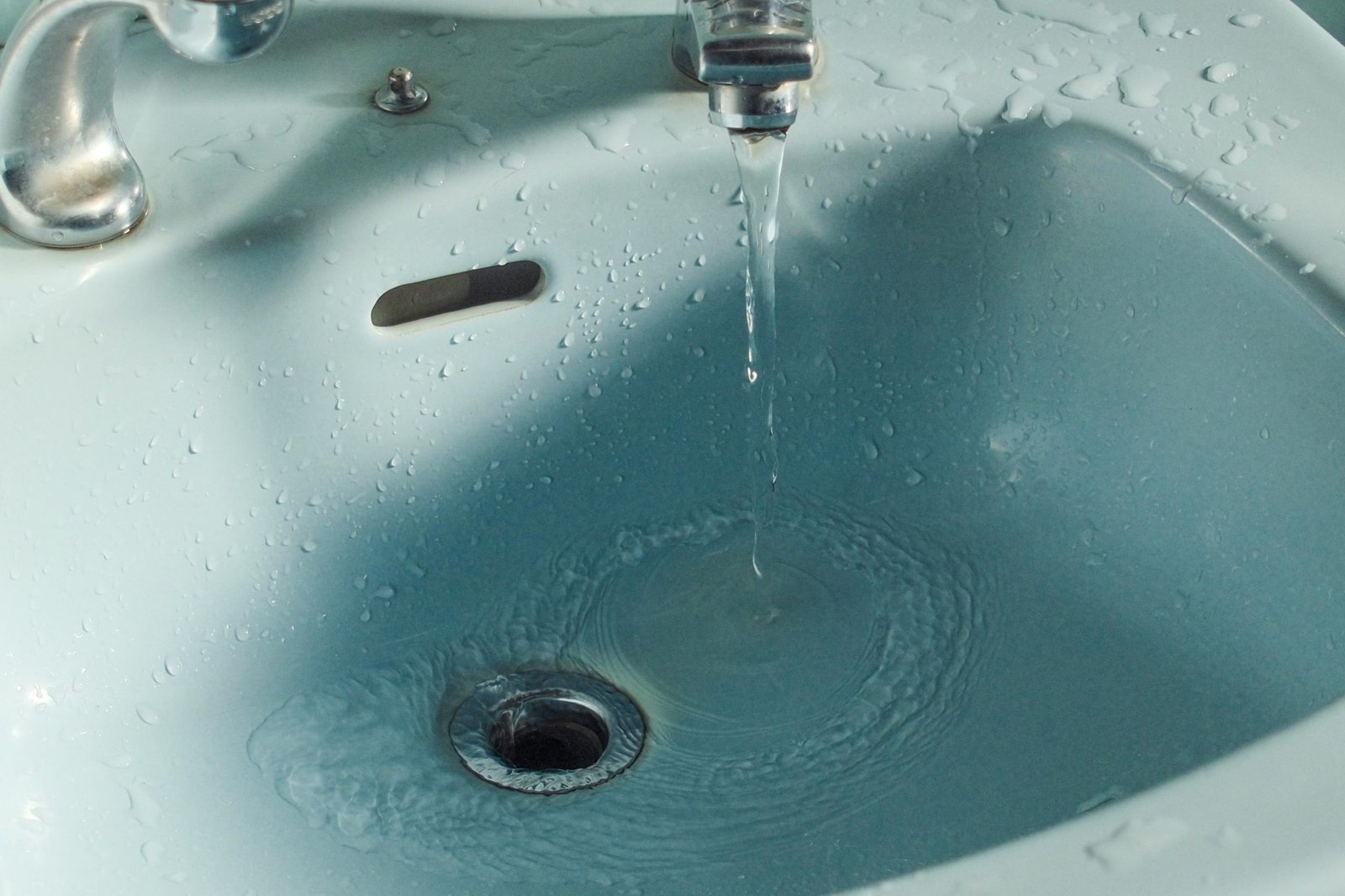
Some clogs develop suddenly, while others form gradually as material accumulates along the inside of a drainpipe.
Schedule a drain inspection when you notice:
A problem affecting one fixture is often located within that fixture’s drain or branch line. When several drains are affected simultaneously, the issue may involve the main drain or sewer line.
Different household drains collect different materials. Identifying which fixture is affected and what may be causing the obstruction helps determine the most appropriate cleaning method.
Kitchen sink drains commonly collect grease, cooking oils, food residue, soap, and detergent. These materials may coat the pipe walls and gradually restrict the space available for water to pass.
Signs of a kitchen drain clog may include:
Pouring cooking grease or oil down the drain can contribute to recurring buildup. Grease should be allowed to cool and placed in an appropriate waste container instead.
Bathroom sink drains may become restricted by hair, soap residue, toothpaste, cosmetics, and other personal-care products.
The stopper assembly can also collect debris near the drain opening. When the obstruction is farther inside the pipe, professional drain-cleaning equipment may be needed.
Hair is a common cause of shower and bathtub clogs. It can combine with soap residue and personal-care products to form a dense blockage.
Possible warning signs include:
A drain cover can help catch hair before it enters the plumbing, but existing buildup may still require removal.
Laundry drains handle water containing detergent, lint, fibers, and debris from clothing. Buildup or an obstruction can cause the drain to overflow when the washing machine discharges water.
Because washing machines release water quickly, even a partially restricted laundry drain can produce a noticeable backup.
Floor drains may be located in basements, utility rooms, garages, laundry areas, or other spaces where drainage is needed.
Standing water, odors, or wastewater appearing at a floor drain may indicate a localized clog or a problem farther downstream. If wastewater appears when another fixture is used, the main drain or sewer line may need to be evaluated.
Drain blockages can form from one material or a combination of several materials.
Common causes include:
Recurring clogs do not always mean that the previous cleaning was performed incorrectly. They may indicate that buildup extends farther through the line or that the pipe has an underlying structural problem.
We begin by asking which fixture is affected, how long the problem has been occurring, whether it has happened before, and whether other drains are showing similar symptoms.
This information helps distinguish a localized clog from a possible main-line problem.
The technician evaluates the fixture, drain opening, accessible piping, and nearby plumbing. The inspection helps determine where the restriction may be located and which equipment is appropriate.
The recommended approach depends on:
A professional auger or drain snake may be suitable for many localized clogs. More extensive buildup may call for hydro jetting when the pipe is in suitable condition.
The technician uses the selected equipment to break apart, retrieve, or move the obstruction so water can pass through the affected line.
Drain cleaning removes blockages and buildup but does not repair cracked, collapsed, corroded, or separated pipes.
After cleaning, the affected fixture is tested to confirm that water is moving properly. If the symptoms suggest damage or a deeper obstruction, the technician will explain the available next steps.
Drain snaking and hydro jetting serve different purposes.
A drain snake or auger is often appropriate for a localized obstruction such as hair, soft material, or a blockage within a branch drain. The cable enters the line and breaks through or retrieves the obstruction.
Hydro jetting uses controlled high-pressure water to loosen and flush grease, sludge, sediment, and buildup from a broader portion of a suitable pipe.
Hydro jetting may be considered when:
The condition of the pipe should be assessed before hydro jetting is used. It may not be suitable for severely weakened, broken, collapsed, or heavily corroded lines.
A localized drain clog usually affects one fixture or one small group of nearby fixtures. A main sewer-line problem is more likely to affect several parts of the home.
Signs that the main line may be involved include:
When these symptoms occur, ordinary fixture-level drain cleaning may not address the actual problem. Sewer-line inspection, cleaning, or repair may be required.
Store-bought drain cleaners may affect certain types of soft or organic material, but they do not resolve every clog. Their suitability also depends on the product, pipe material, plumbing condition, and blockage.
Never combine drain cleaner with bleach, ammonia, vinegar, or another cleaning product. Mixing chemicals can create dangerous fumes or reactions.
Tell the technician when a chemical cleaner has already been poured into the drain. This allows the work area and equipment to be handled more safely.
For persistent, complete, or recurring clogs, a physical inspection and professional cleaning method are usually more informative than repeatedly adding chemicals.
Professional drain cleaning can be performed on many older plumbing systems, but the pipe’s condition should be considered before equipment is selected.
Older pipes may be:
The technician should choose the cleaning method according to the pipe rather than using the same equipment and force for every drain.
If the line appears structurally damaged, repair or replacement may be more appropriate than repeated cleaning.
Drain cleaning removes material obstructing the line. It does not correct damage to the pipe itself.
Drain repair may be recommended when the line has:
The appropriate solution depends on where the damage is located and how much of the line is affected.
No maintenance routine can prevent every blockage, but careful use of household drains can reduce unnecessary buildup.
Helpful practices include:
Drain cleaning does not need to follow the same schedule in every home. Preventive service may be useful when a property has a history of recurring buildup or drains that receive unusually heavy use.
Stop using the affected fixture when water or wastewater is backing up. Continuing to run water can cause the fixture to overflow or send additional water toward the blockage.
You should also:
Avoid entering wet areas where water has reached outlets, wiring, appliances, or electrical equipment.
A clogged drain can be caused by a simple localized obstruction or a larger plumbing problem. Proper diagnosis helps avoid using an unsuitable cleaning method or repeatedly treating only the visible symptom.
Homeowners choose Comfort Professor for:
Our team will explain what was found, what cleaning method is recommended, and whether signs of a deeper plumbing problem are present.
Comfort Professor provides professional drain cleaning in Boston and surrounding communities, including Cambridge, Newton, Somerville, Brookline, Medford, and nearby Greater Boston areas.
Contact our team to confirm service availability at your property.
The right method depends on the type and severity of the clog, since different materials require different approaches. Professional tools like drain augers or hydro jetting are often used to clear buildup deep within the pipes. Our technicians will choose the method that removes the blockage effectively without damaging your plumbing.
Many homeowners benefit from scheduling drain cleaning once a year, especially in kitchens and bathrooms that see heavy use. Regular service helps prevent buildup from turning into a blockage. If you’ve had recurring issues, more frequent cleaning may be recommended.
Chemical cleaners may provide a temporary fix, but they often fail to remove the full blockage inside the pipe. Over time, these products can also cause damage to your plumbing. Professional drain cleaning reaches deeper and removes buildup more effectively.
Recurring clogs usually point to buildup that hasn’t been fully cleared or a deeper issue within the pipes. Grease, hair, and debris can collect along pipe walls, which leads to repeated blockages. In some cases, damaged pipes may require drain repair to stop the problem from coming back.
Yes, when done by trained technicians using the right equipment, drain cleaning is safe for most plumbing systems. We’ll assess the condition of your pipes before choosing a method. This helps protect older materials while still clearing out the blockage.
Most drain cleaning services can be completed within an hour or two, depending on the severity of the clog. More complex issues may take longer if additional inspection or repair is needed. Our team will give you a clear idea of timing before starting the work.
Yes, we provide 24/7 emergency drain cleaning for urgent situations that can’t wait. If water is backing up or a drain is completely blocked, our team will respond quickly. You’ll get help when you need it most, even outside regular hours.
If clogs keep returning or if there are signs of leaks, cracks, or pipe damage, cleaning alone may not solve the issue. In those cases, drain repair will address the root problem. A proper inspection will help determine the best course of action.
Being mindful of what goes down your drains is one of the simplest ways to avoid buildup. Avoid pouring grease down the sink, and use drain covers to catch hair and debris. Routine drain cleaning will also help keep your system clear and working reliably.

We know that urgent repairs and replacements can sometimes pose a financial hardship. We don’t want budget stress to stand in the way of getting the assistance you need! We’re happy to discuss financing options so we can find a solution that fits your situation.
Fill out the form to send us a message.

Are you looking for expert drain cleaning in Boston, MA? At Comfort Professor, we’ll provide the right solution to get your drains back in working order. Our team is ready to tackle everything from minor clogs to more complex issues, so book now and enjoy plumbing that works the way it should.
Considering a replacement instead? Ask about $1,000 in heat pump savings + up to $8,500 in rebates.
Call for details. Restrictions apply. Offer tier applied is based on the date you schedule service.